Inclusive Events: Designing Experiences That Welcome Everyone
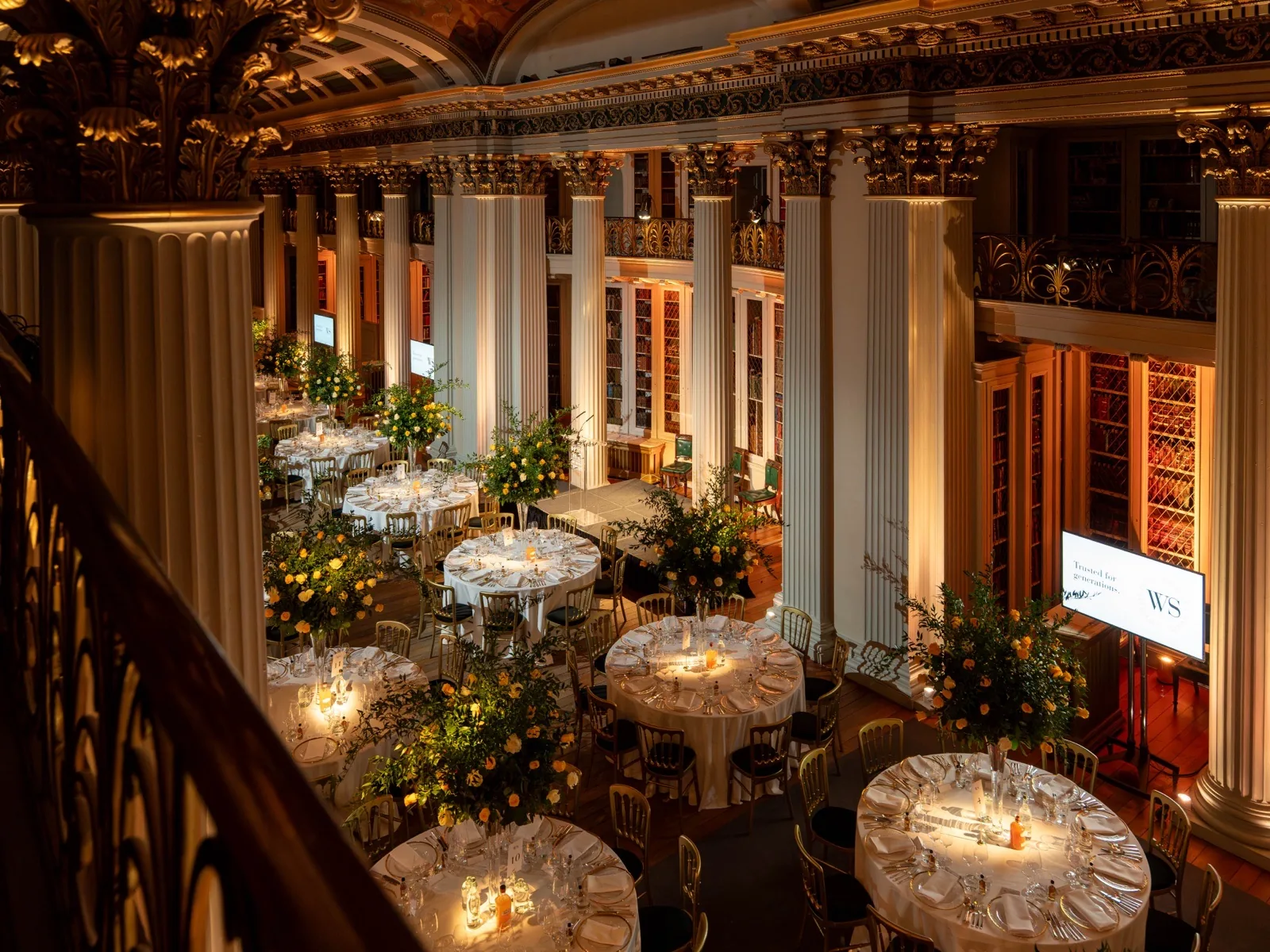
Creating an inclusive event is more than meeting accessibility standards, it’s about designing experiences where every guest feels seen, supported and genuinely welcomed. Inclusivity must be intentional, starting at the earliest planning stages and continuing through every detail of how people move, dine, engage and connect. PV&E champions this philosophy in its approach to universal design, ensuring every event no matter the size, style, or venue reflects care, comfort and consideration for all.
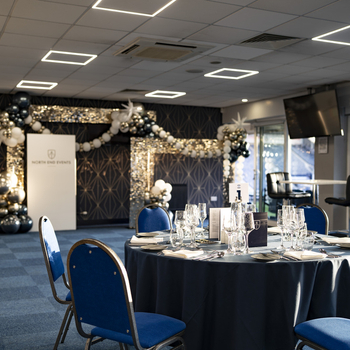
Why Inclusive Design Matters: Inclusivity isn't an optional enhancement; it’s an essential component of exceptional event delivery. When planners prioritise accessibility and belonging, events become:
-
More welcoming and comfortable
-
More engaging and participatory
-
More memorable and meaningful
-
More representative of today’s diverse audiences
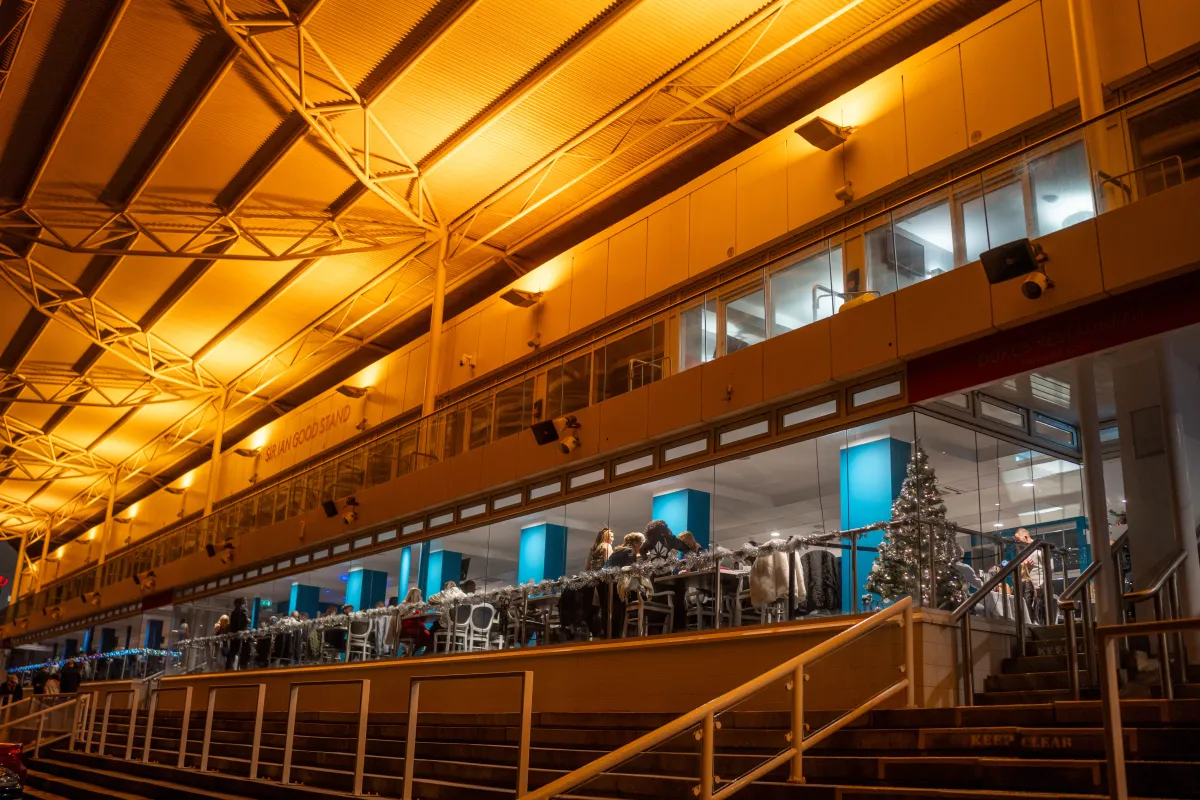
Across PV&E’s 30+ UK venues from iconic stadiums and zoo’s to heritage galleries the commitment to inclusivity is embedded in every guest experience.
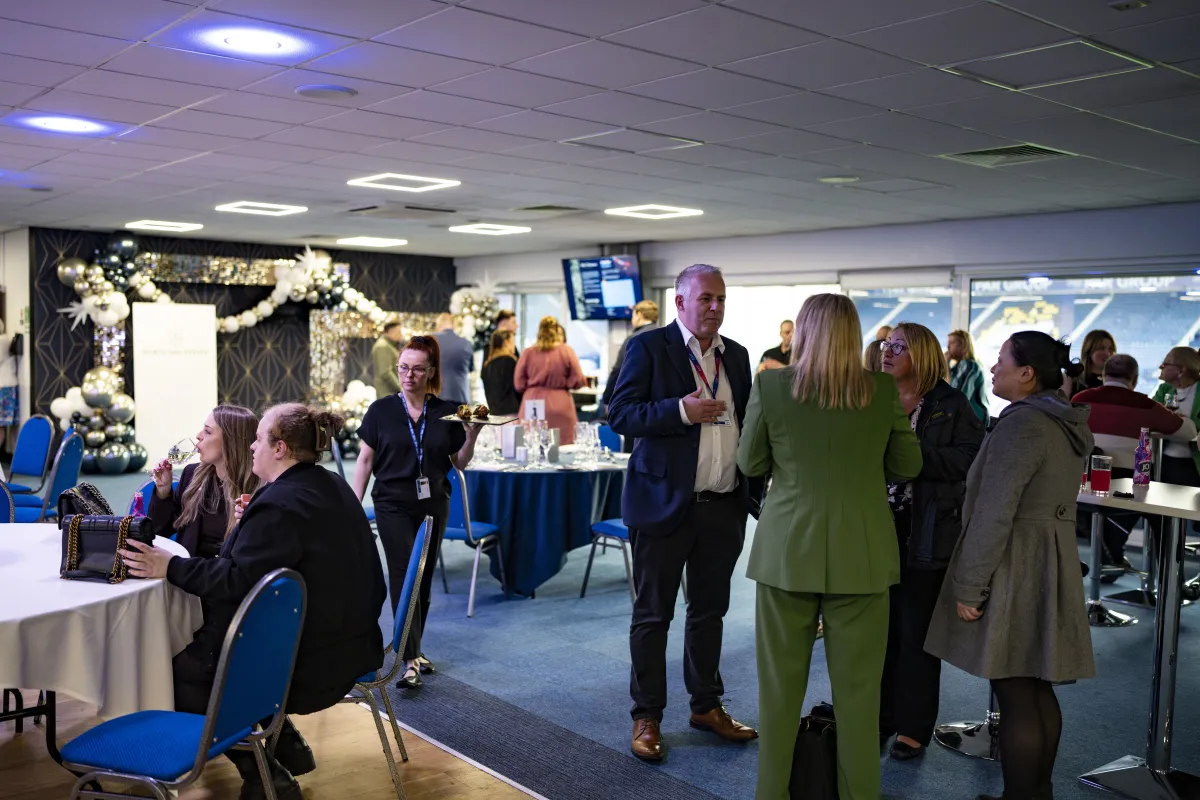
Accessible Layouts That Support Every Guest: Inclusivity begins with spatial design. Thoughtful layouts help create environments where all guests move freely and comfortably.
PV&E integrates accessibility into every plan, focusing on:
-
Step‑free access at entrances, circulation paths and key activity zones
-
Sufficient space for wheelchairs, mobility aids and companions
-
Clear, intuitive route planning that avoids bottlenecks
-
Elevated viewing areas and adaptable seating
-
Quiet corners or low‑stimulus spaces for guests who need them
By prioritising mobility and autonomy, events feel more welcoming from the moment guests arrive.
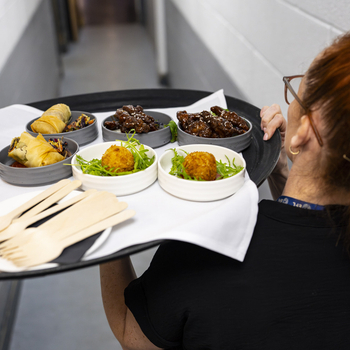
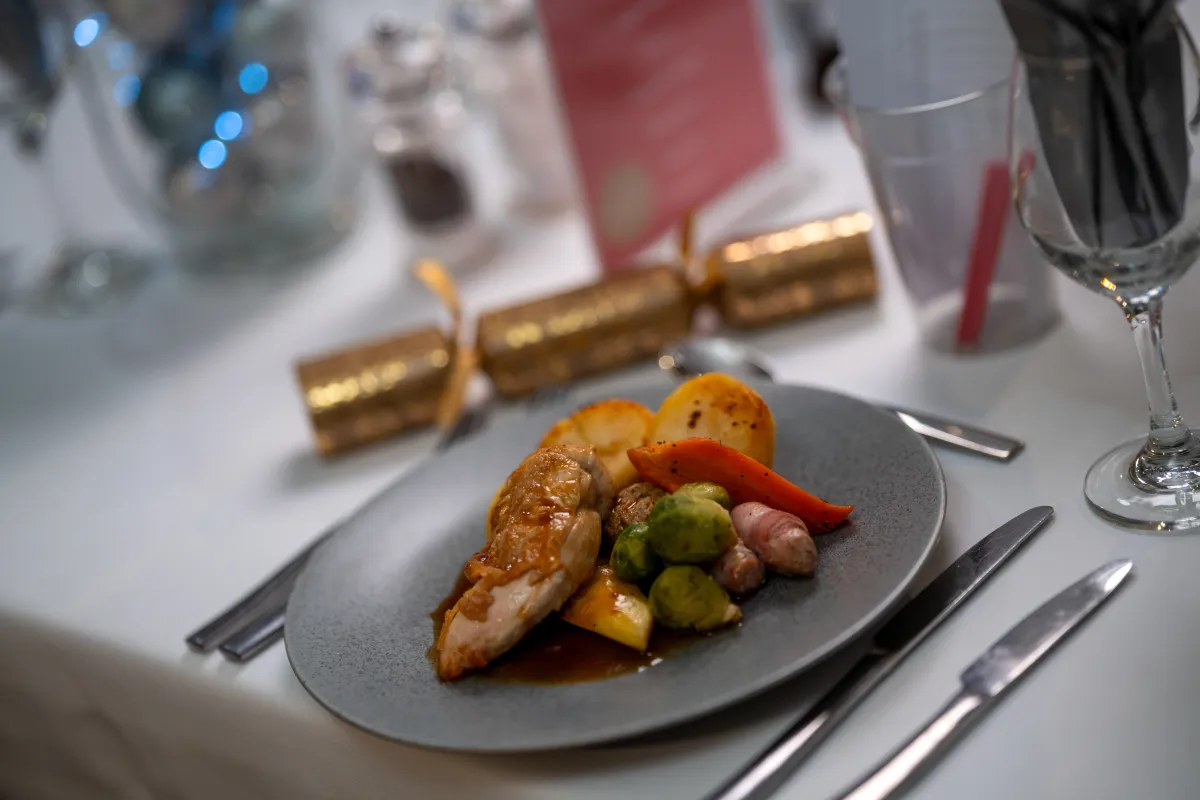
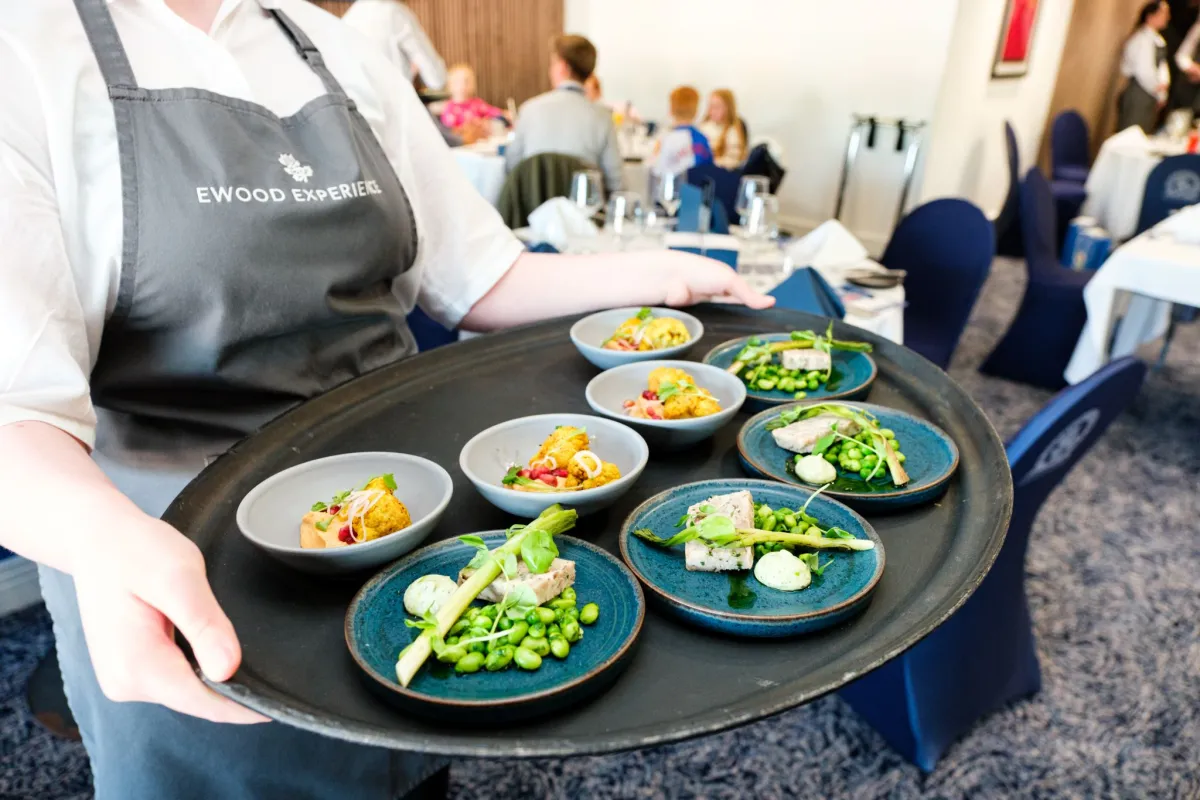
Allergy‑Aware & Dietary‑Inclusive Menus: Food should bring people together, not exclude them. PV&E’s culinary teams lead with “inclusion-first” menu planning, ensuring every guest enjoys safe, satisfying options.
Menus are crafted with:
-
Transparent ingredient labelling
-
Allergen‑aware preparation methods
-
Plant‑forward, Halal, Kosher, gluten‑free and dairy‑free options
-
Dedicated dishes that mirror main menu items to avoid singling out guests
-
Highly trained teams able to discuss ingredients and safety confidently
These considerations transform dining from a logistical priority to a moment of connection and care.
Multi‑Sensory Design for Comfort and Connection: Atmosphere plays a significant role in how people feel and interact. Sensory‑inclusive design helps ensure environments are supportive, not overwhelming.
PV&E applies principles from universal and behavioural design to optimise:
-
Lighting: Balanced ambient light, reduced glare, adaptable brightness
-
Acoustics: Minimised echo, designated quiet zones, soft furnishings that absorb sound
-
Visual comfort: High‑contrast signage, large typography, uncluttered visual paths
-
Spatial variety: Active zones, calm zones, social hubs and reflective spaces
These spaces help every guest: introvert or extrovert, neurodivergent or neurotypical; participate in the way that feels right for them.
Communication That Includes Everyone: Inclusivity extends to how information is shared and how guests are supported throughout their experience.
PV&E ensures:
-
High‑contrast, easy‑read signage
-
Digital content compatible with screen readers
-
Clear instructions delivered pre‑event (arrival, transport, dietary needs, accessibility features)
-
Staff trained in inclusive language and guest‑support etiquette
These simple but powerful touches reduce friction and empower guests to navigate confidently.
Universal Design as a Foundation, Not an Add‑On
Universal design isn’t about one solution it’s about designing for all abilities, identities and experiences from the outset. The result? Events that are richer, more connected and more human.
Inclusion Creates Meaningful Connection: Inclusive events don’t just “accommodate” they elevate the experience for every guest. When planners design with empathy and intention, events become environments where people feel valued, respected and part of the moment.
Get in touch
Planning an event, meeting, celebration or a milestone moment? Explore our venues, reach out with your enquiry, or browse our FAQs, we’re here to guide you every step of the way.
Stay Inspired with PV&E