The Psychology of Event Design: How Layout, Lighting and Flow Influence Guest Behaviour
Great events don’t happen by accident; they happen by design. Every space your guests walk through, every lighting choice, every transition between zones shapes how people think, feel and interact. At PV&E, behavioural insight is woven directly into our creative methodology, ensuring spaces aren’t just beautiful; they’re intuitive, immersive and engineered to spark meaningful engagement. From the strategic placement of breakout zones to the emotional impact of lighting, the psychology behind event design has the power to transform passive attendance into active connection.
Why Behaviour‑Led Design Matters: Event environments are powerful behavioural cues. They influence:
- How confidently guests move through a space
- How long they stay in certain areas
- Who they talk to and how often
- How immersed they feel in the overall experience
By understanding how people naturally respond to layout, visual environments and sensory triggers, planners can design events that feel effortless and exciting at the same time.
Layout: Designing Natural Flow & Human‑Centric Movement: Layout is one of the most influential elements of event psychology. It dictates the rhythm and flow of the entire experience.
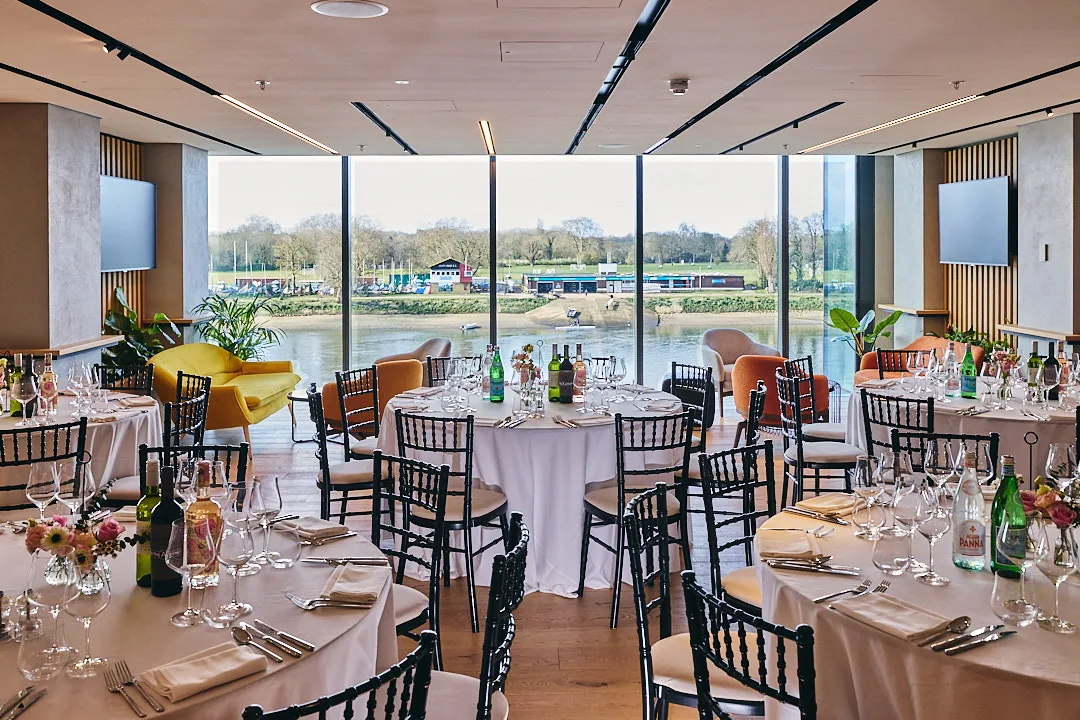
Dynamic Breakout Zones Encourage Interaction: breakout areas aren’t just functional they’re social engines. PV&E builds zones that encourage movement and exploration through lounge clusters, standing pods and café‑style seating.
These zones:
- Prevent bottlenecks
- Create natural meeting points
- Make networking feel spontaneous
- Reduce social pressure by offering multiple ways to engage
Intuitive Spatial Journeys: Guests should always feel guided, not directed. Purpose‑built flow means guests move through experiences registration, coffee, plenary, breakout, reception without friction or confusion. This intuitive navigation helps reduce cognitive load, allowing guests to focus on the event; not on figuring out where to go next.
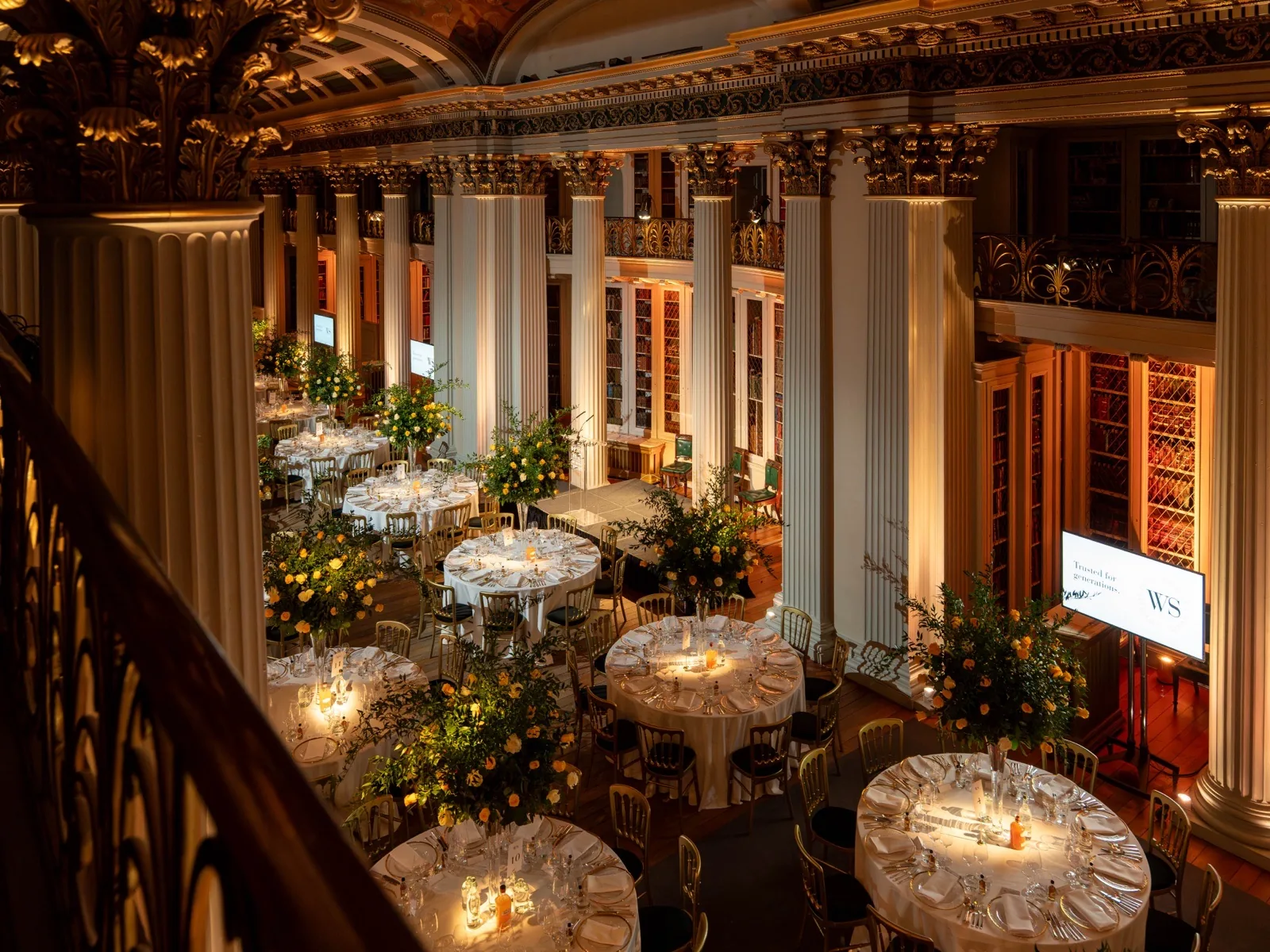
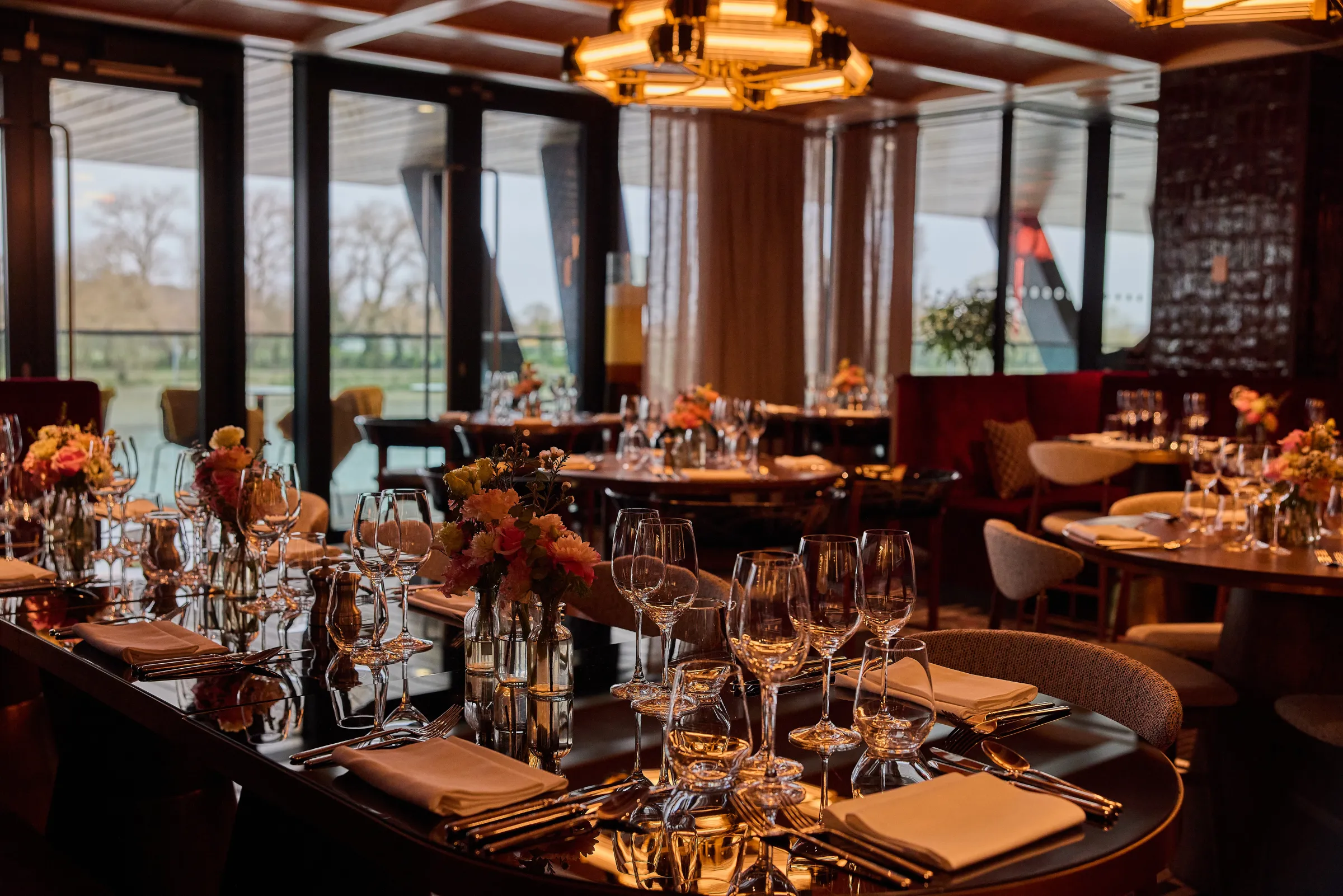
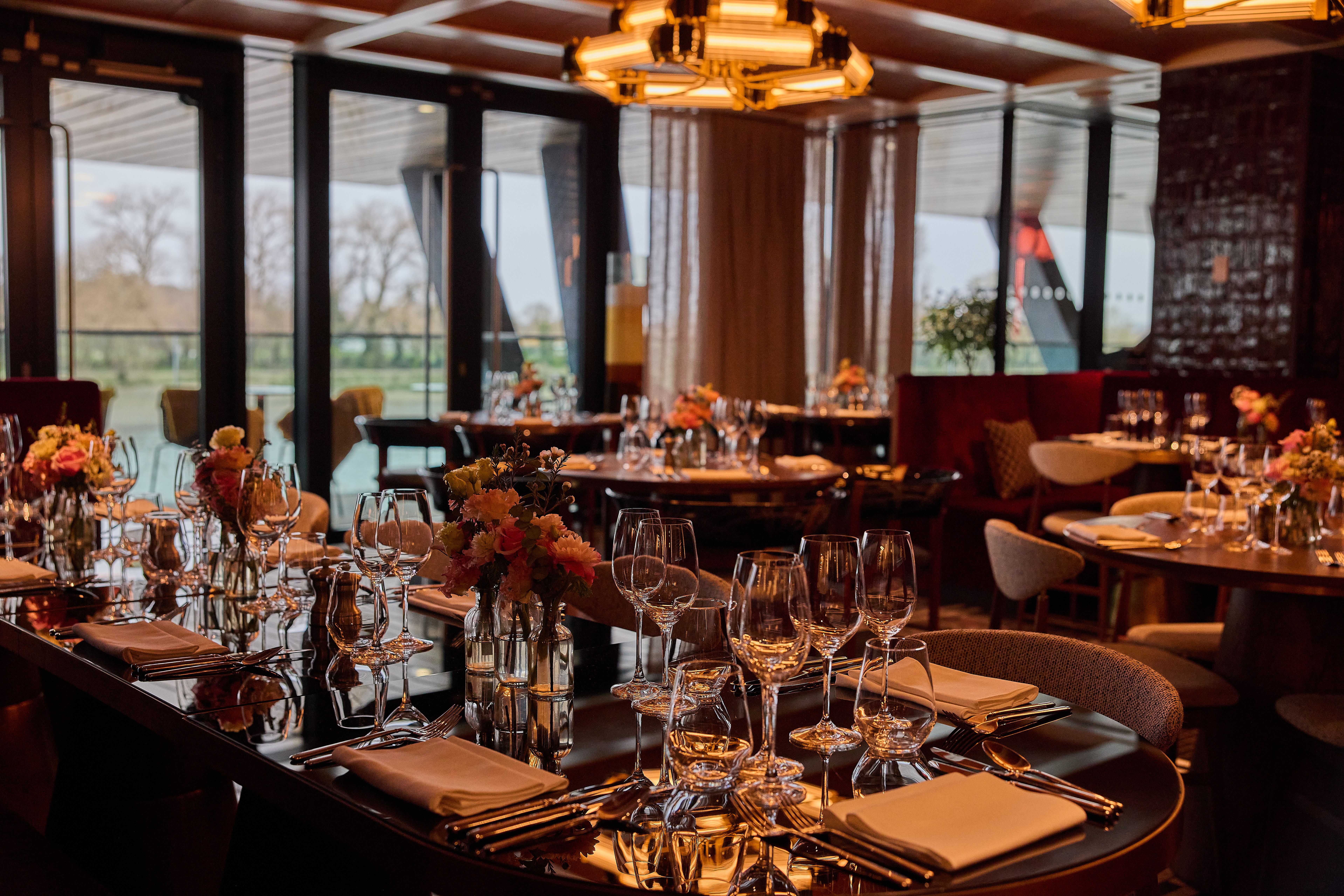
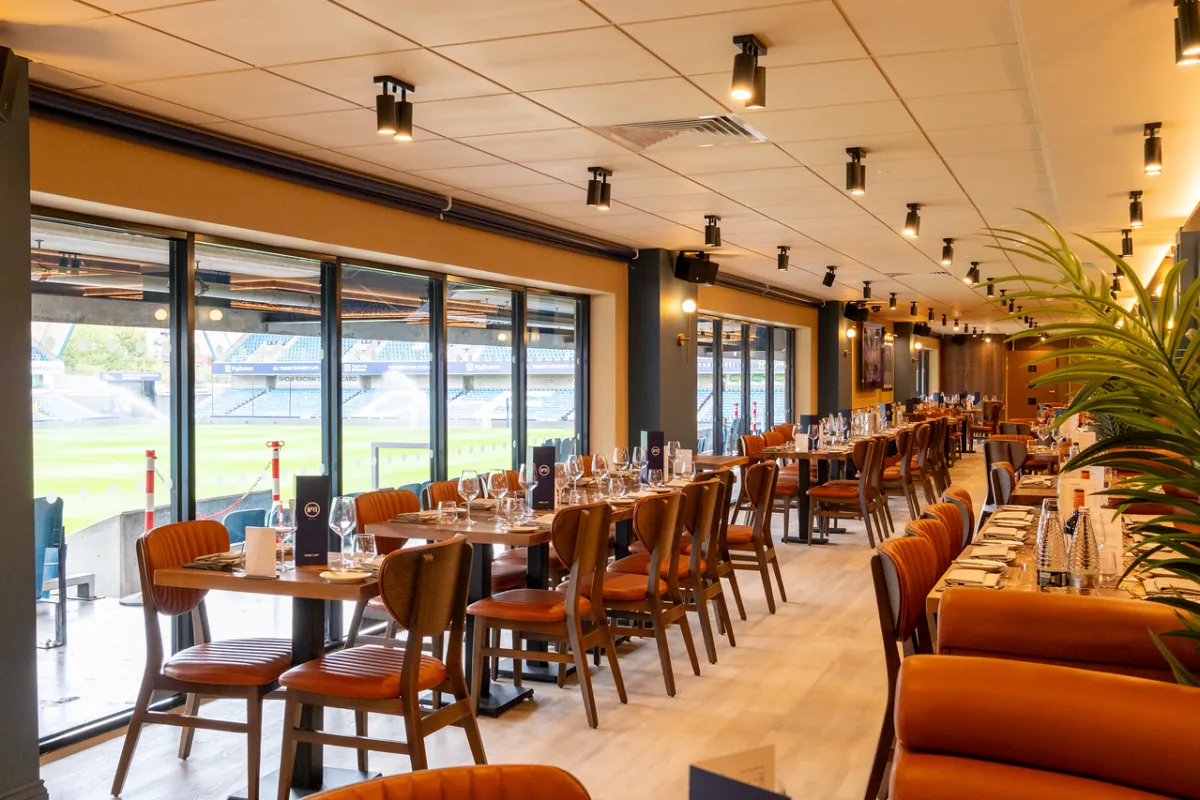
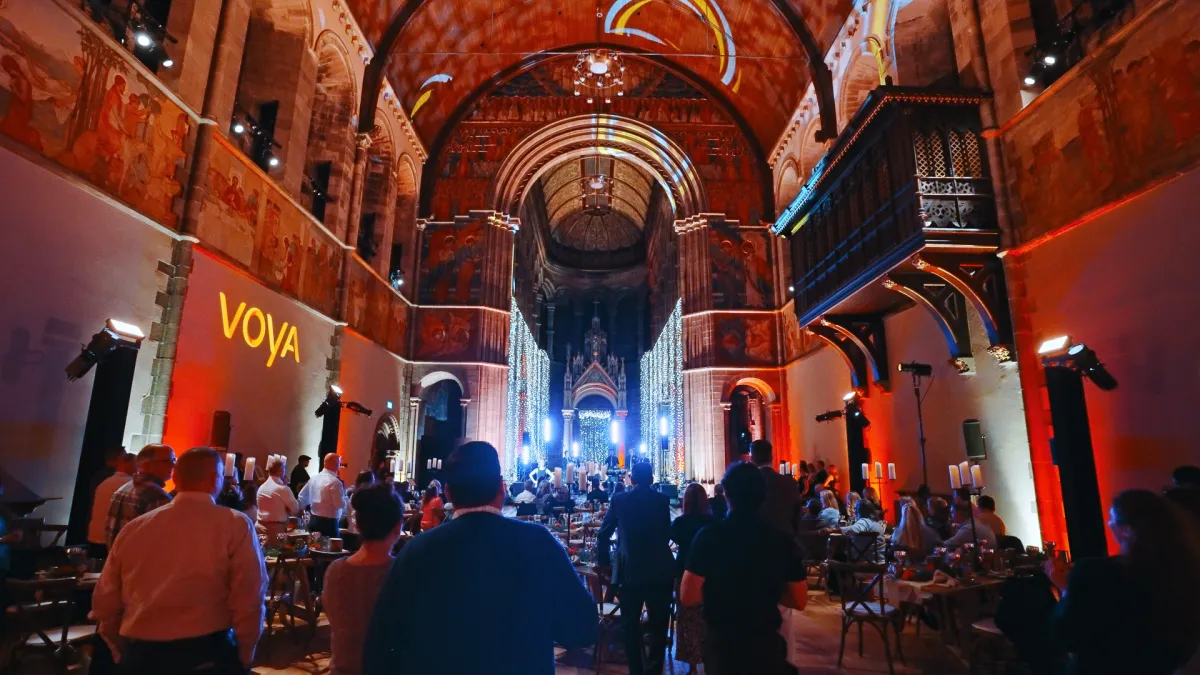
Lighting - Crafting Atmosphere, Emotion and Energy: Lighting is one of the strongest subconscious influencers in any event environment. Warm, soft lighting promotes comfort and connection, perfect for dinners, discussions, or reflective moments. Bright, open lighting creates energy, alertness and sociability, ideal for exhibitions, networking spaces and learning environments. Lighting can also signal transitions, subtly guiding guests between zones and shifting the emotional tone of the event at key moments.
Sensory Lighting for Engagement: Using light creatively; such as directional glows, texture projections, or accent colours, helps shape visual interest and supports brand storytelling. The right lighting can make a space feel intimate, expansive, premium or playful.
Flow: Building a Natural Event Narrative: Great events unfold like a story. Flow is what turns isolated moments into an integrated experience.
Purpose‑Built Flow Keeps Guests Engaged: PV&E uses architectural features and behavioural insights to choreograph how people move through a venue. Flow encourages progression, provides rest where needed and maximises opportunity for interaction.
A well‑designed flow ensures:
- Guests never feel “stuck”
- Movement feels effortless
- Each touchpoint builds anticipation
- Social energy stays high throughout the event
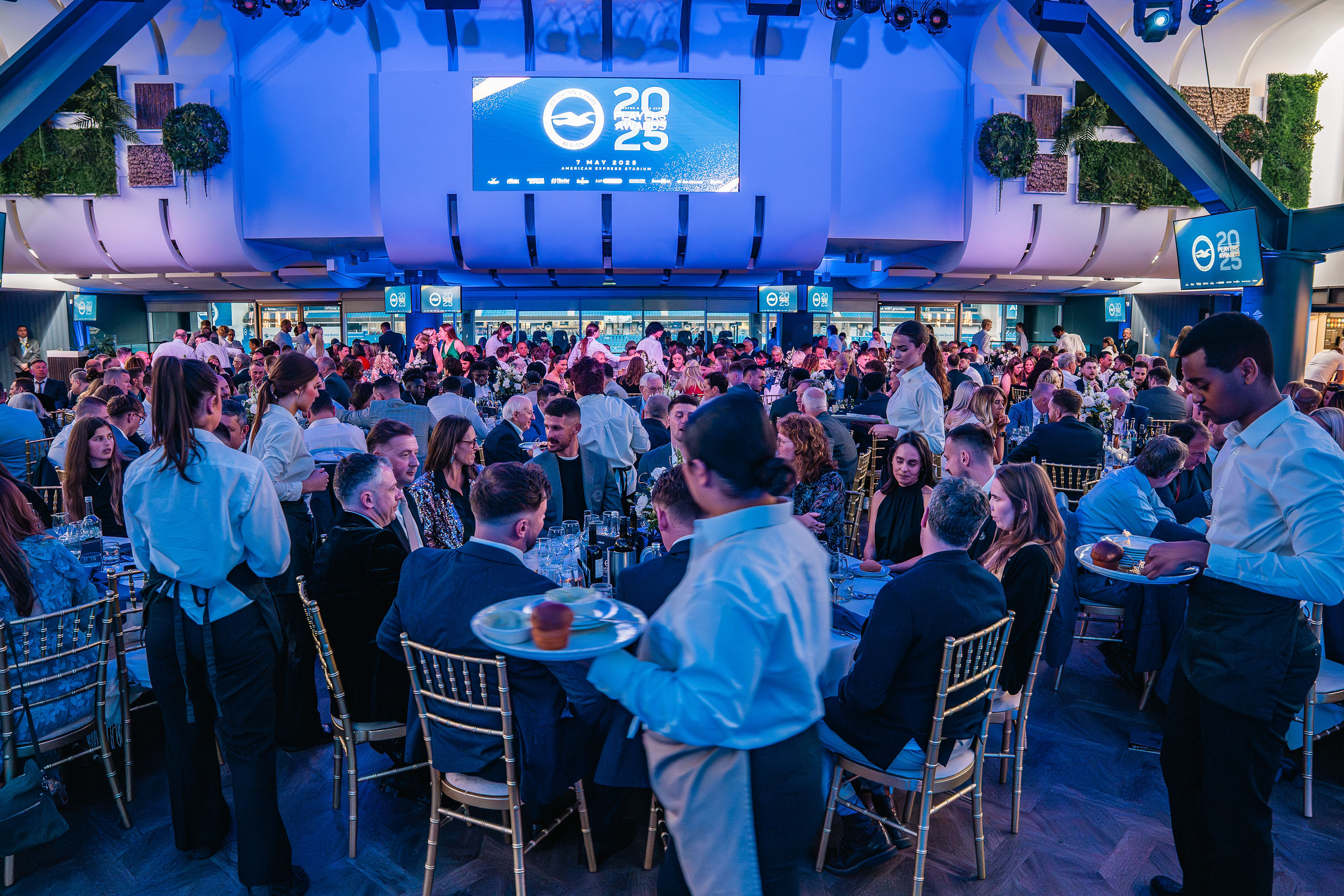
Zoning That Helps Guests Choose Their Experience: Functional zones cater to different emotional states lively spaces for conversation, quieter corners for small‑group chats and transitional areas that let guests reset. When guests can choose their pace, they feel more at ease, more in control and more likely to engage meaningfully.
Multi‑Sensory Design: Influence Through Atmosphere: The psychology of event design extends beyond layout and lighting. Multi‑sensory environments shape how people perceive and remember the event.
Blending Behavioural Insight with Creative Execution: PV&E’s methodology begins with understanding human behaviour and then using that insight to craft spaces that feel intuitive and inspiring.
Design With Intention, Experience With Impact: Event design isn’t decoration; it’s communication. When layout, lighting and flow are intentionally crafted, they guide behaviour, elevate emotions and turn passive attendees into active participants.
At PV&E, the psychology of event design is woven into every project, from intimate gatherings to large‑scale conferences. By blending behavioural insight with creative artistry, we create environments that don’t just host people; they move them.
Get in touch
Planning an event, meeting, celebration or a milestone moment? Explore our venues, reach out with your enquiry, or browse our FAQs, we’re here to guide you every step of the way.
Stay Inspired with PV&E