Skip to main content
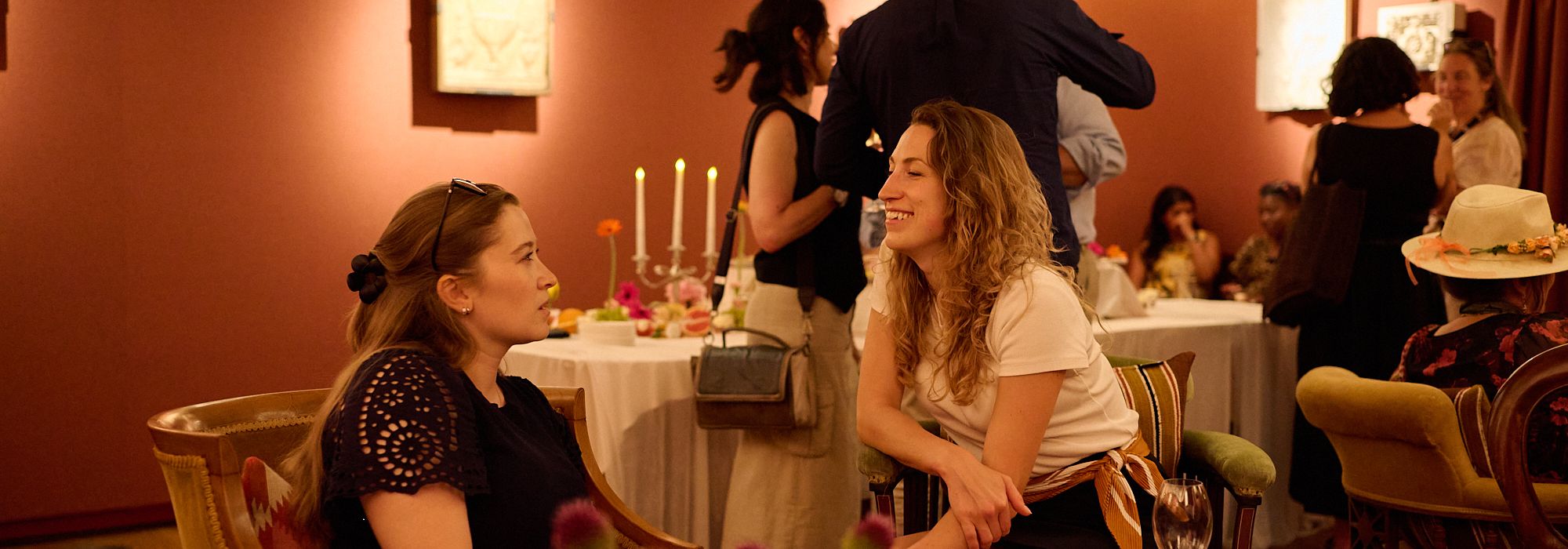
Seasonality has always shaped event behaviour but in 2026, it becomes an even more powerful strategic driver. From shifting booking patterns to sustainability-first catering and the rise of hybrid formats, planners are navigating an events landscape defined by fresh expectations, new technologies and evolving audience priorities.
Across PV&E venues, internal data and industry insights highlight three dominant themes shaping the year ahead: immersive seasonal experiences, sustainability as standard and hybrid event sophistication. Here’s what planners need to know to stay ahead.
Immersive Seasonal Experiences Take Centre Stage
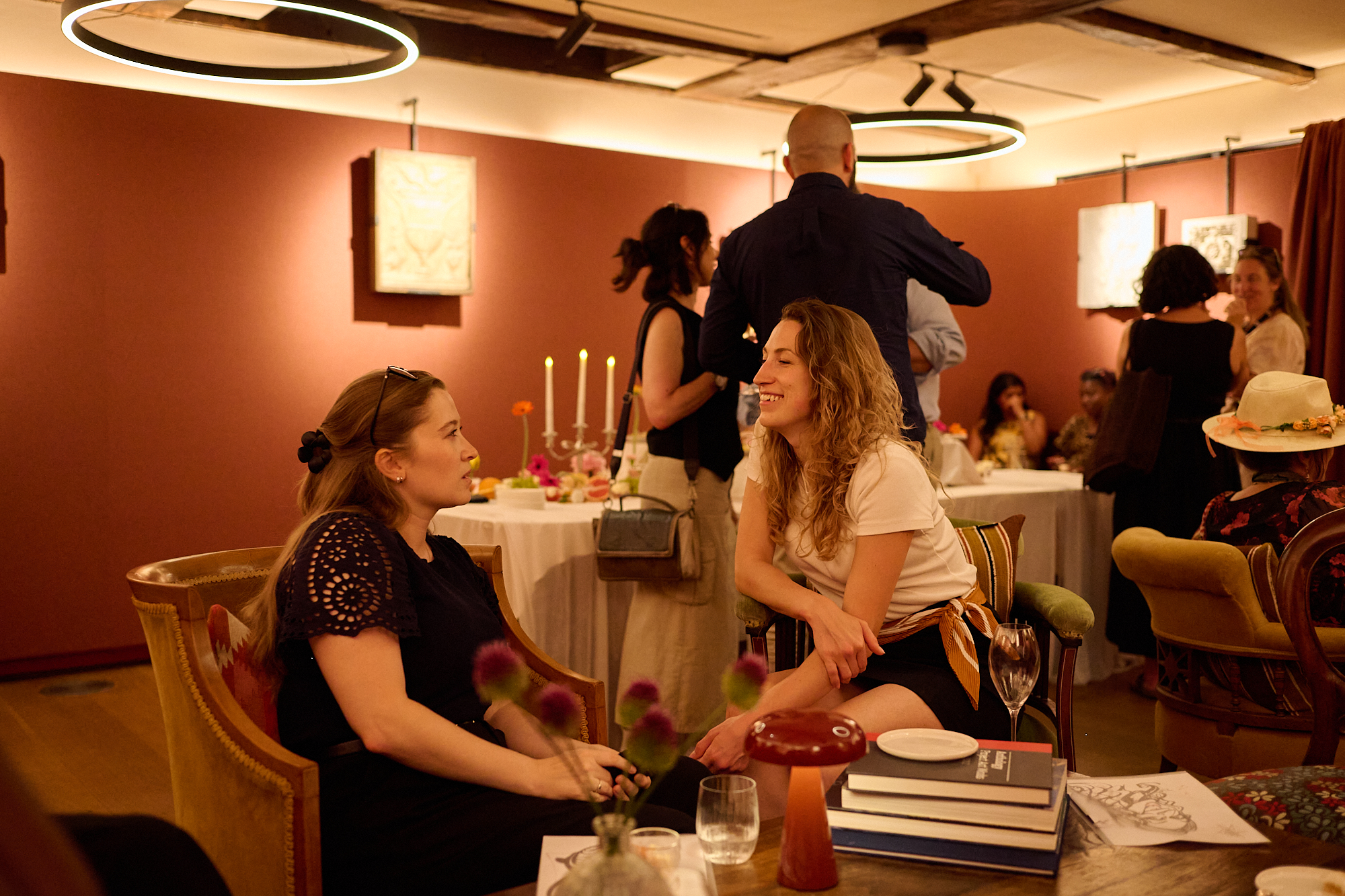
As consumer appetite for sensory, experiential moments continues to grow, seasonal themes are becoming more immersive particularly in autumn and winter.
Autumn Events Are Becoming “Mini Seasons” of Their Own:
Planners are capitalising on this momentum by leaning into autumnal experience design, including:
Mood-led décor inspired by warm tactile materials, dusky palettes and natural textures.
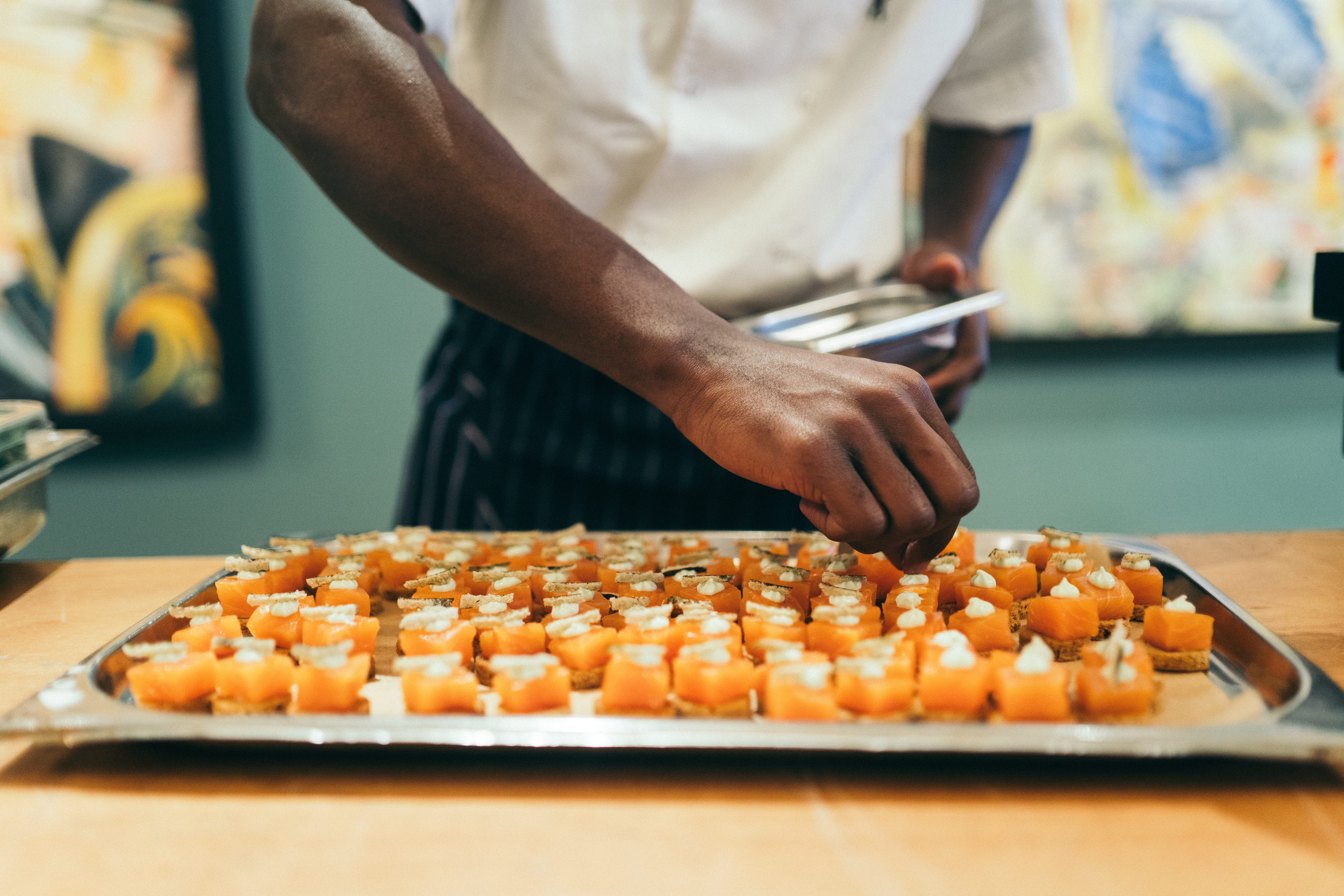
Theatrical food moments, from harvest-inspired grazing tables to spice‑forward menus.
Low‑light, high‑impact environments that lean into the season’s inherent sense of atmosphere.
This mirrors wider industry movement toward “experience-led design”, which emphasises immersive storytelling, interactive installations and rich sensory cues.
Winter Keeps Its Crown as the Highest-Revenue Season: Christmas parties and festive events remain one of the most profitable seasonal categories, with peak demand captured in November and December.
Sustainability-First Catering Becomes the Expectation - Not the USP: Sustainability continues its evolution from bonus value to baseline requirement. For 2026, both corporate and private clients are making environmentally conscious decisions that directly influence venue and supplier selection.
ESG Momentum Is Reshaping Event Choices: According to 2026 trend intelligence shared across teams, sustainability practices carbon tracking, waste reduction, green certifications and eco‑conscious catering will be key decision factors.
Within PV&E’s culinary programmes, this aligns with ongoing initiatives such as: net‑zero–aligned menu development, sustainable sourcing and carbon-labelling practices already embedded across menu frameworks.
Weddings & Private Events Follow Suit: The wedding market also shows a significant shift: 49% of couples now prioritise sustainable venues and catering, with eco-conscious weddings projected to rise through 2026.
Expect to see:
Plant-forward banqueting menus
Recyclable or biodegradable décor
Partnerships with regional producers
Venue sourcing policies included in client RFPs
For planners, sustainability isn't just beneficial it's becoming a competitive necessity.
Hybrid Formats Mature Into Fully Realised Experiences: Hybrid events are no longer a temporary fix they’re a fully fledged format that continues to mature.
Digital and Physical Experiences Must Now Be Equal: 2026 insights show significant investment in hybrid and blended experiences designed to give virtual attendees the same access, engagement and experience quality as in-person guests.
The new hybrid standard includes:
Shared digital platforms creating parity between audiences
Real-time engagement tools, such as interactive polling and live Q&A
AI-powered networking and personalisation, transforming how attendees move through content
This aligns with broader market data showing planners using events as strategic business drivers with 85% feeling confident about 2026 and designing events with clearer outcomes and purposeful delivery.
Digital-First Marketing Continues to Surge: Short‑form video, influencer strategies and AI‑personalised content remain the high‑performing formats driving reach and engagement across social channels. For planners, this affects both how they promote events and how attendees expect to interact before, during, and after the experience.
Lead Times Continue to Lengthen for Key Event Types: Conferences and award ceremonies are typically booked 6–12 months ahead, reflecting the increasingly strategic use of events within organisations. Weddings, meanwhile, continue to follow early booking trends as multi‑day celebrations rise in popularity.
Final Thoughts: 2026 Rewards the Prepared, the Creative, and the Sustainable
Seasonal trends in 2026 point toward an events year driven by intentionality, innovation and impact. Planners who respond early and creatively to these trends will deliver experiences that resonate deeply with audiences and align seamlessly with shifting expectations.